
Nocturnal rainforest on a private finca in Bahía Drake, Osa Peninsula, Costa Rica — Pajarilla Night Tour
Pajarilla logo

Bahía Drake · Osa Peninsula · Costa Rica

Pajarilla Night Tour

Guided wildlife walks after dark on a large private finca

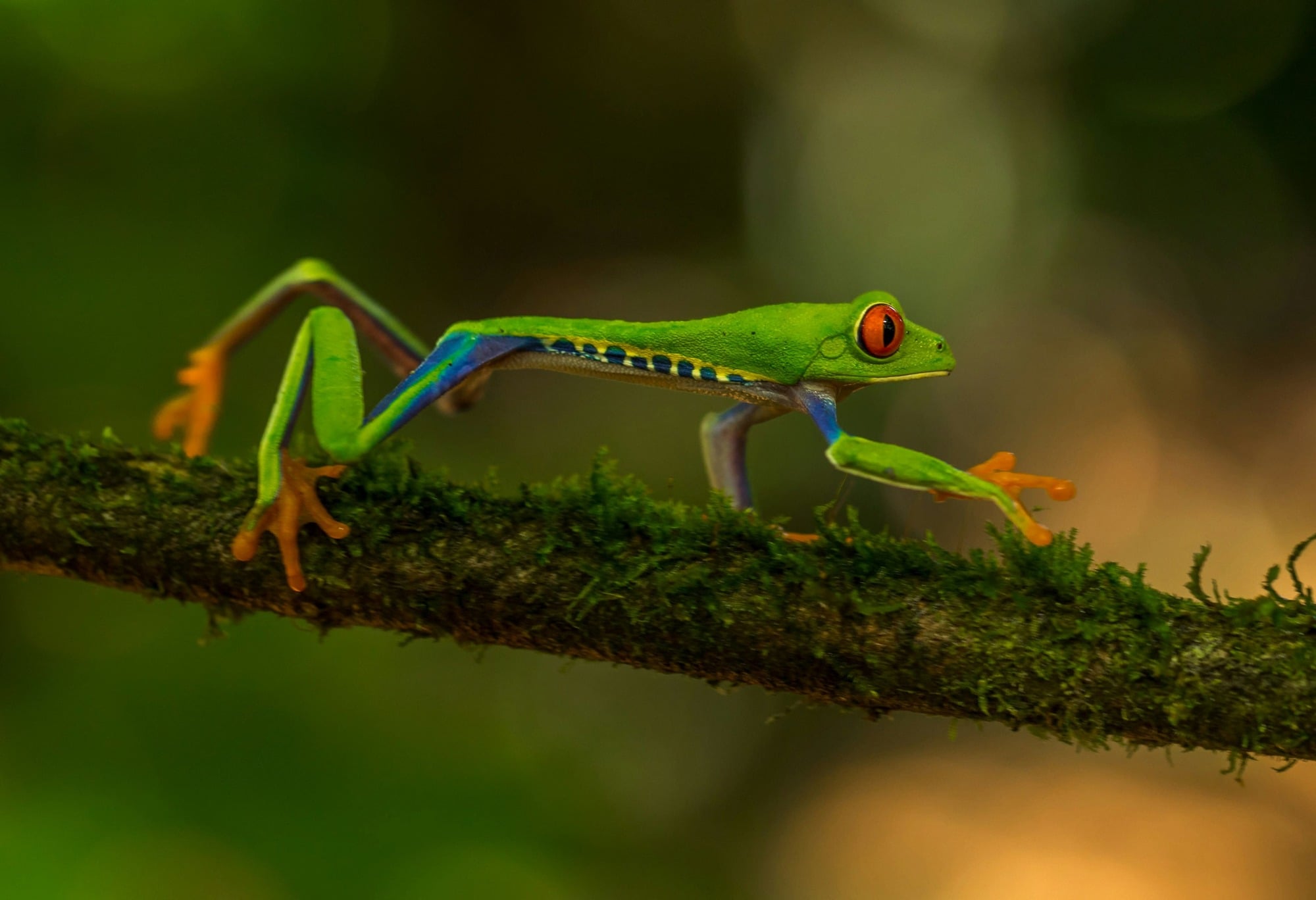
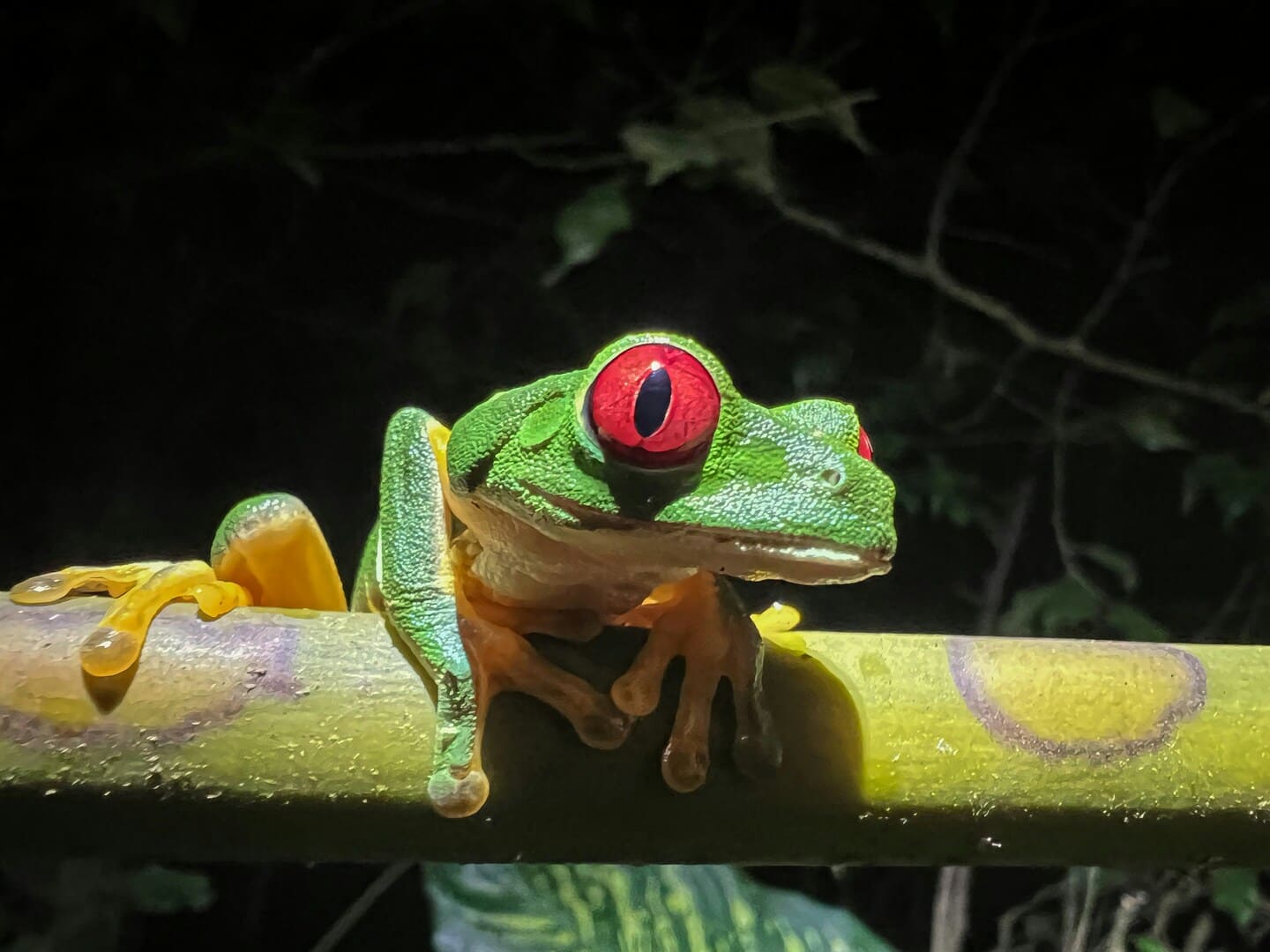
Red-eyed tree frog resting on a leaf

Red-eyed tree frog

Green vine snake

Rainforest scorpion

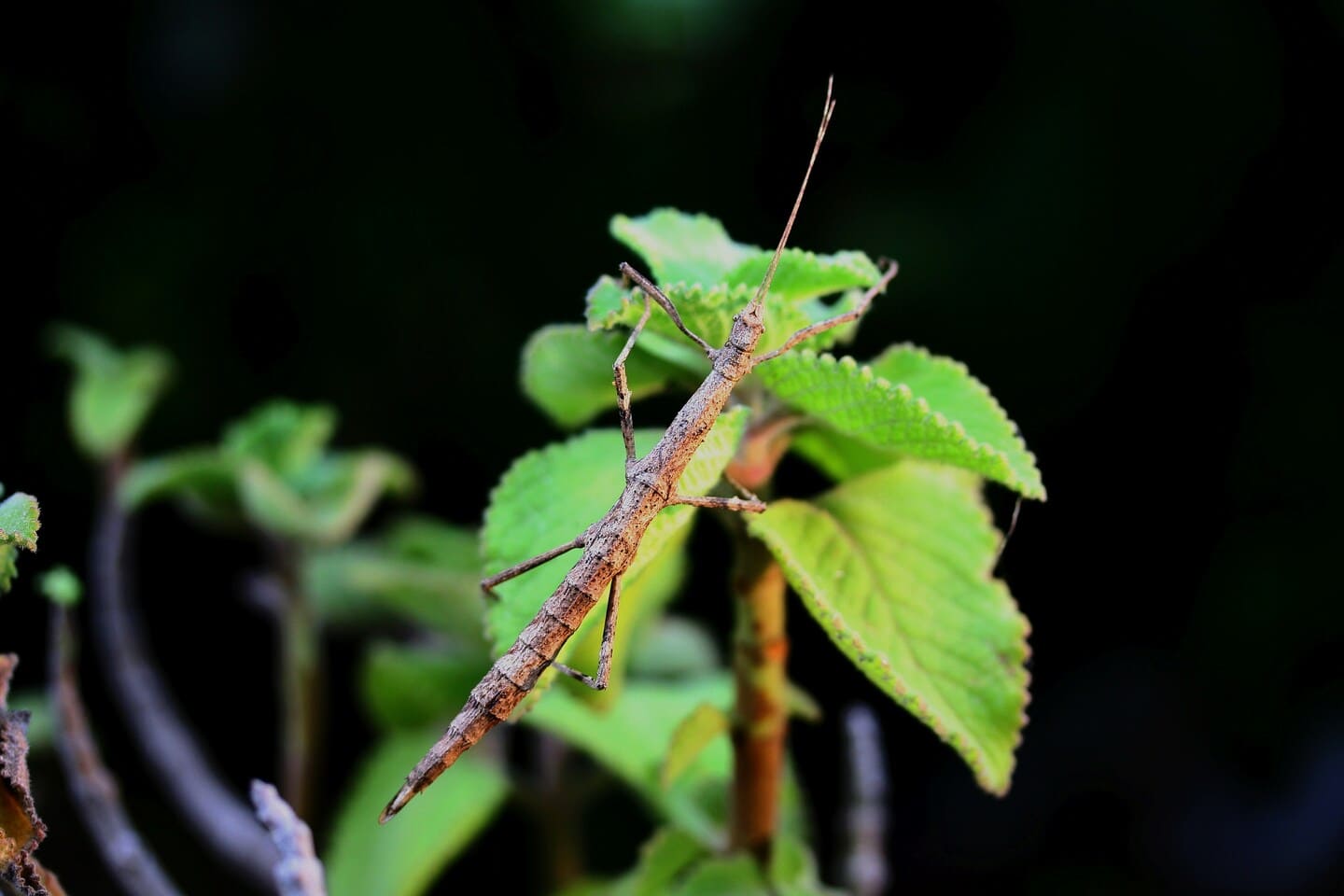
Stick insect

7-15 g
Weight
5-7.5 cm
Size
Insectivore
Diet
80-180 g
Weight
1.2-2 m
Size
Carnivore
Diet
5-30 g
Weight
4-8 cm
Size
Carnivore
Diet
10-40 g
Weight
8-18 cm
Size
Herbivore
Diet

01 / 04

The Forest at Night

Duration

2hrs

6:00 – 8:00 pm

Price

$45

per person

What we provide
  • 01Flashlight
  • 02Rubber field boots
  • 03Round-trip transport
  • 04Refreshment after the walk

Rainforest night tours

Drake Bay, Costa Rica

Beyond the beach, the forest moves to a different rhythm after sunset. Three ways to understand the experience: wildlife, flora, and climate.

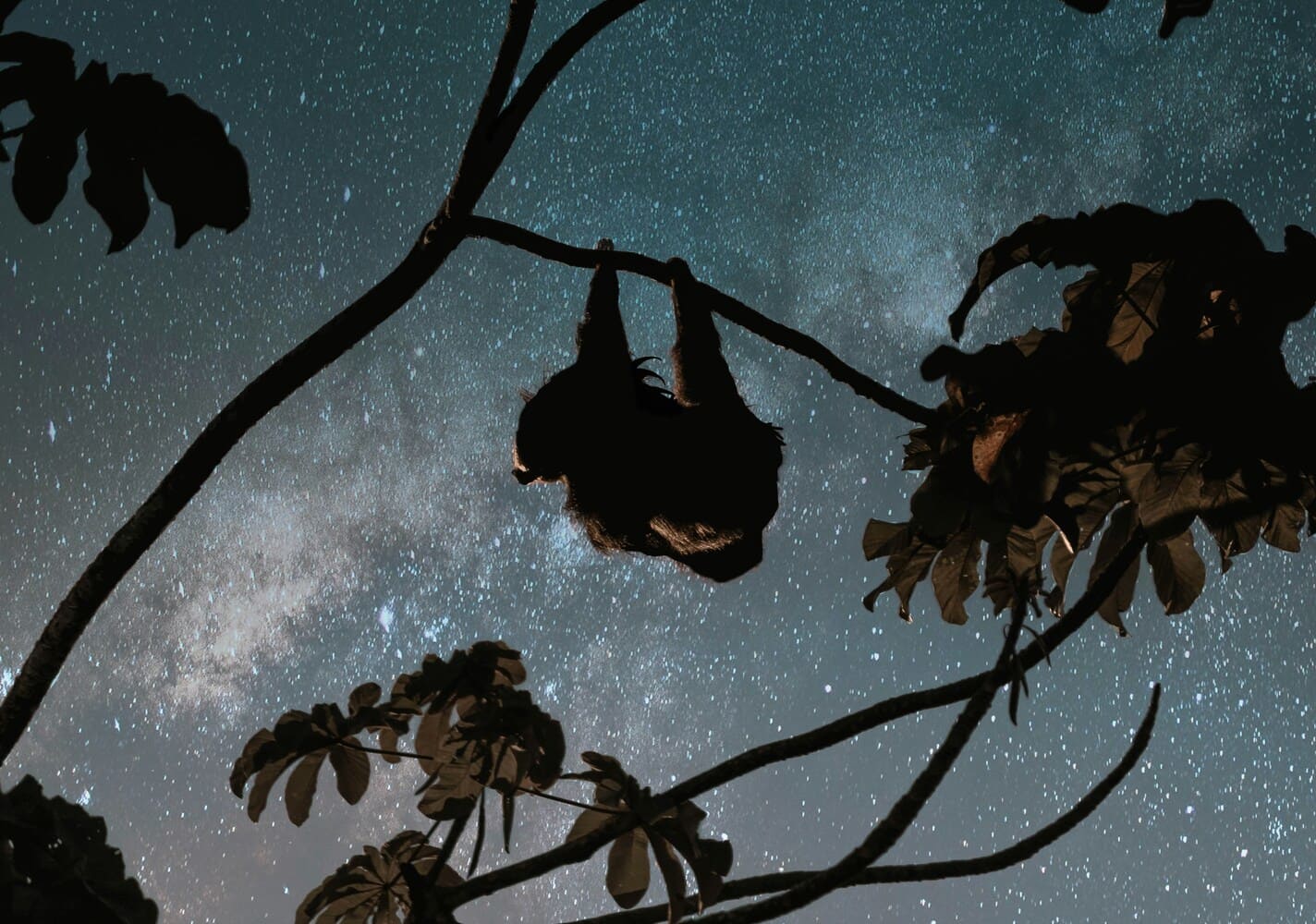
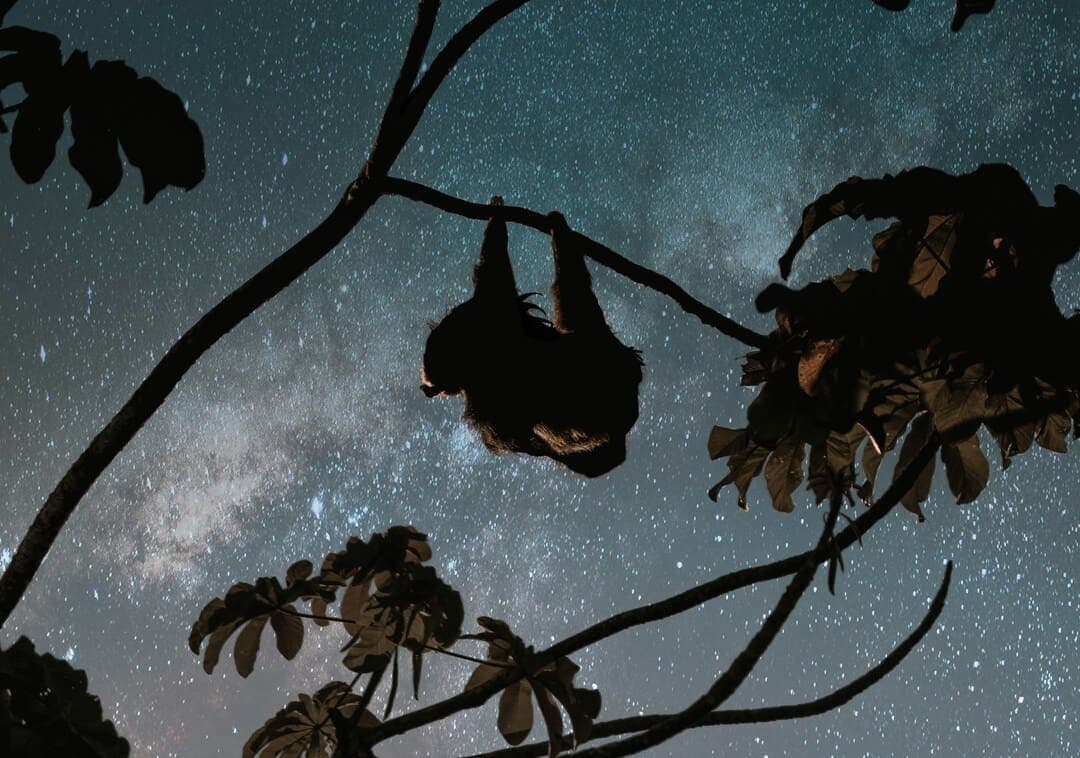
Sloth hanging from a branch under the Milky Way in the rainforest at night

Night wildlife in Drake Bay

Night tours in Drake Bay reveal a forest that feels completely different after sunset: frogs, snakes, spiders, kinkajous, bats, and many other species become active once daylight fades. In Costa Rica, more than half of mammal species are nocturnal or crepuscular, and when amphibians, reptiles, and insects are added, nighttime dramatically expands the chances of wildlife sightings.

Highlights
  • 01Expert local guide
  • 02Amphibians and reptiles
  • 03Bats and mammals
  • 04Osa rainforest trails
  • 05Habitat respect
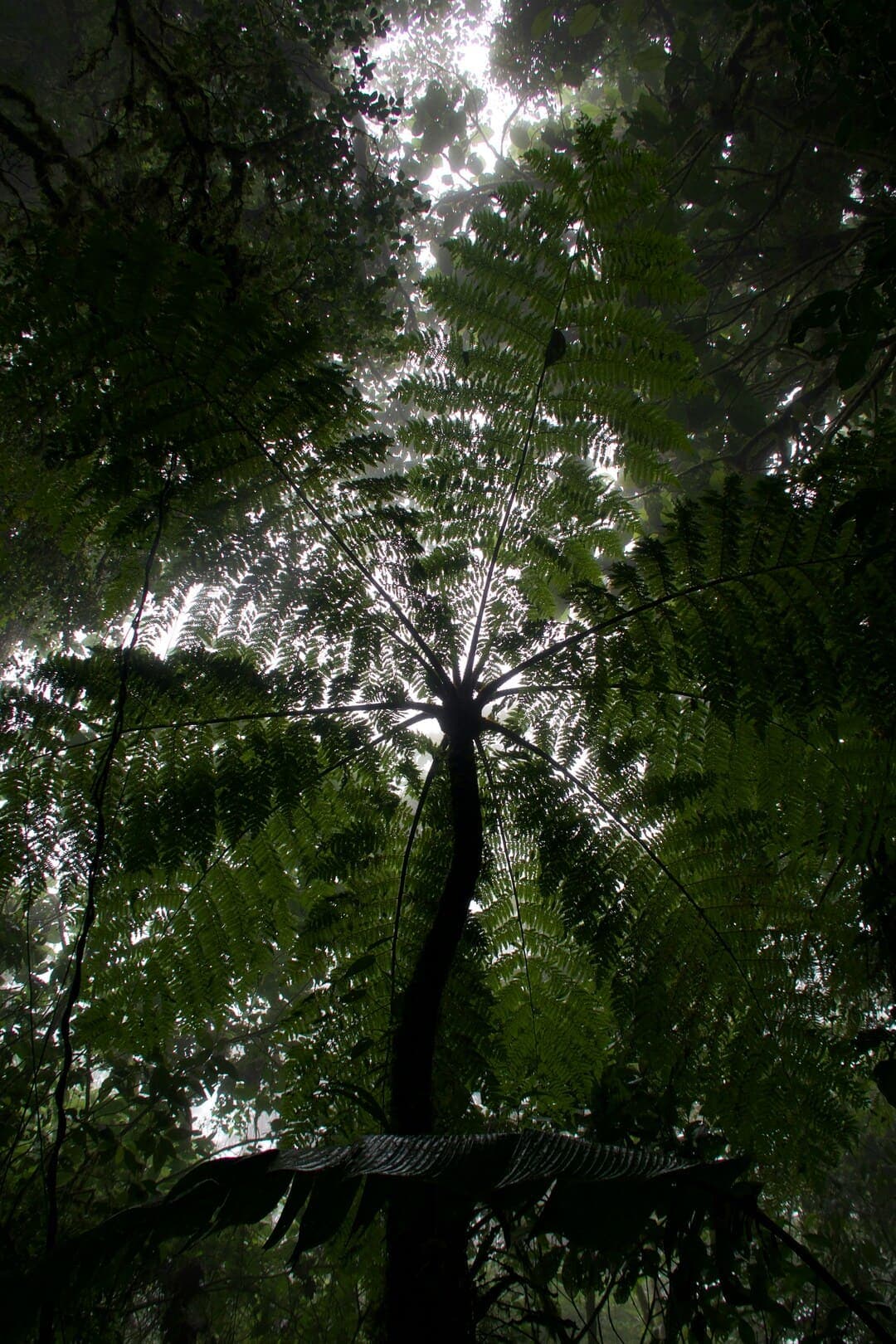
Tree fern and dense canopy seen from below in low evening light

Flora after dark

Plants do not fully rest at night: some flowers open at dusk, scents become stronger, and many leaves shift through nyctinasty. In Drake Bay, humidity brings epiphytes, ferns, mosses, and fungi to life, creating a rainforest atmosphere that is best understood slowly and with careful light.

Highlights
  • 01Night-blooming flowers
  • 02Moths and bats
  • 03Epiphytes and ferns
  • 04Nictinastia
  • 05Rainforest humidity
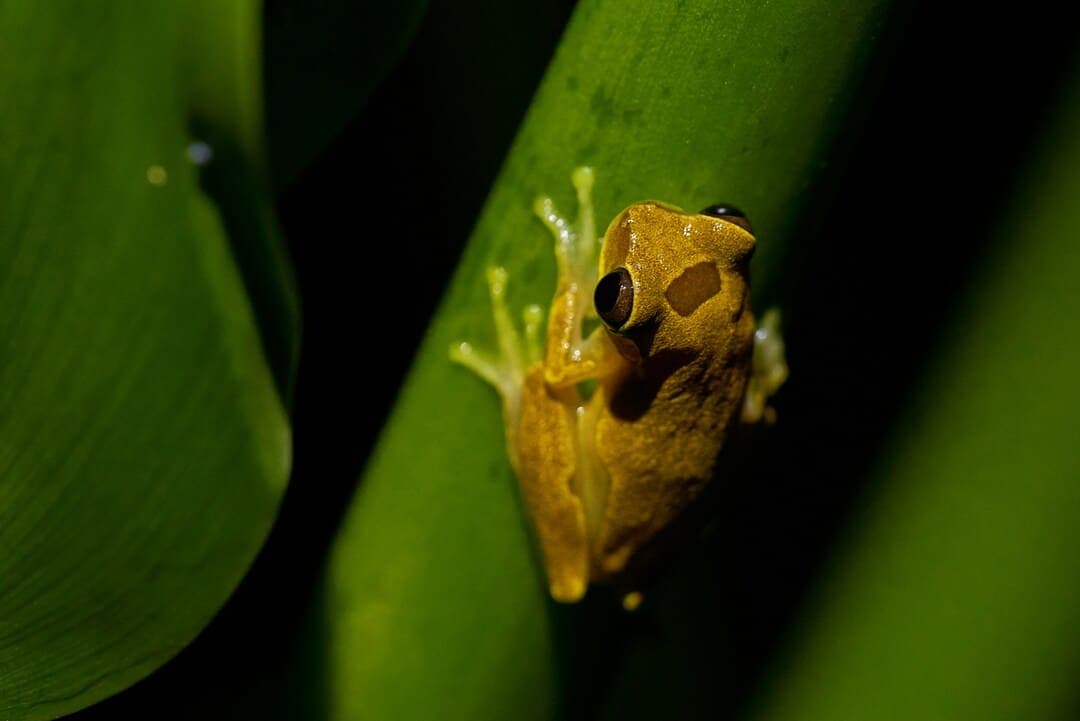
Golden tree frog clinging to a green stem against a dark background

Drake Bay climate

Drake Bay has a tropical rainforest climate: warm days, mild nights, and seasonal rain. May through November is usually wetter, while December through April tends to be drier, although showers are possible in any month. Ocean breeze, streams, and dense forest shade shape every walk.

Highlights
  • 0128–32 °C daytime
  • 02Rainy season
  • 03South Pacific coast
  • 04Light rain gear
  • 05Cooler evenings

Bahía Drake · Osa Peninsula

Nocturnal wildlife on our private finca

Pajarilla Night Tour operates on a large private property in Bahía Drake, on Costa Rica's Osa Peninsula—one of the most biodiverse regions on Earth. After sunset, aquatic, terrestrial, and aerial species emerge across streams, trails, and canopy. These are some of the creatures guests regularly encounter with our local guides.

Aquatic species

  • Pistol shrimp

    Camarón pilero

    Aquatic crustacean whose snap creates a cavitation bubble—common near streams and wetlands.

Terrestrial species

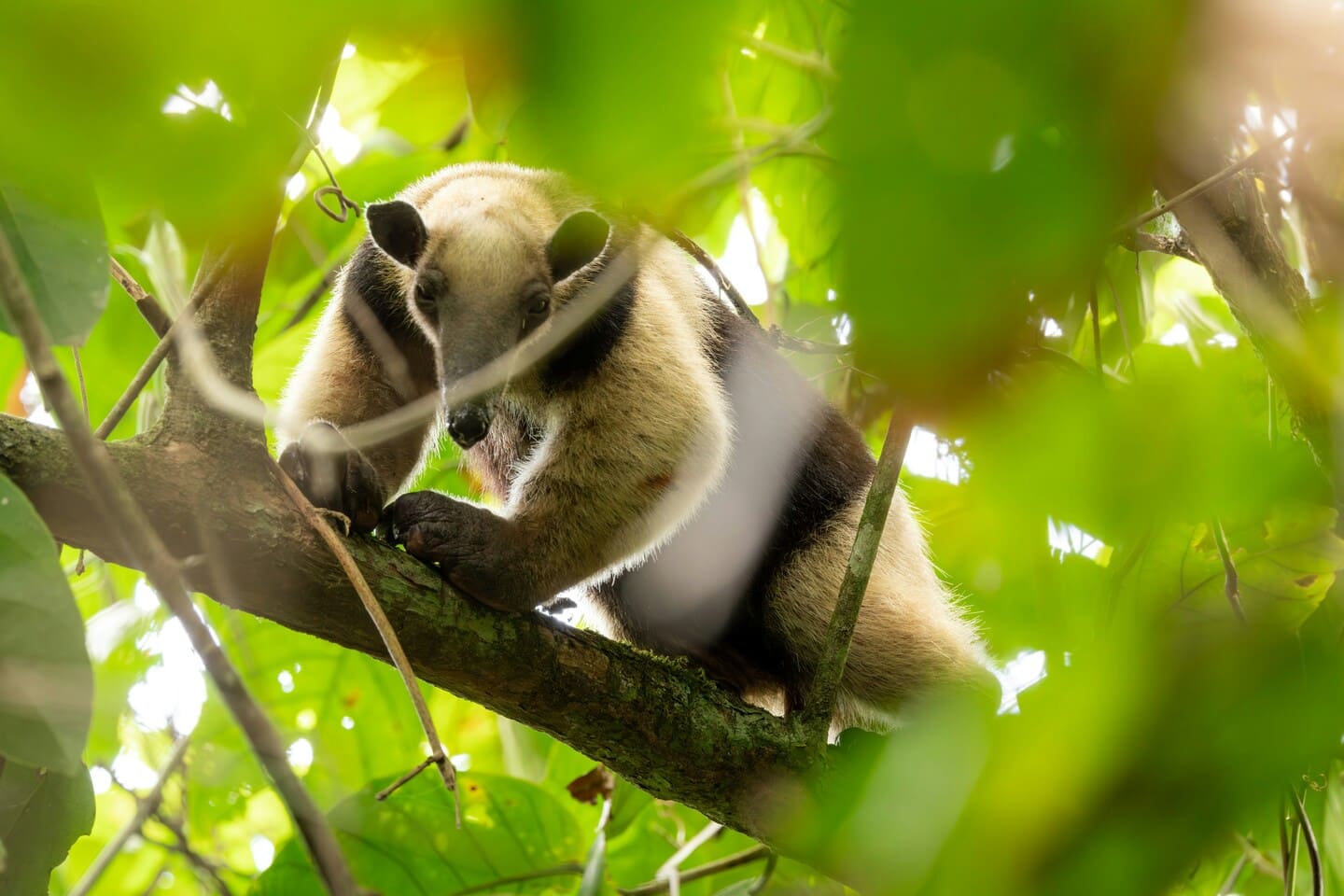
  • Giant anteater

    Oso hormiguero

    Large insectivorous mammal often spotted foraging on forest trails after dark.

  • Huntsman spider

    Araña cazadora

    Fast-moving nocturnal spider that hunts insects on trunks and leaf litter.

  • Fer-de-lance (Bocaracá)

    Bocaracá

    Pit viper of the Osa lowlands, observed safely from a distance with expert guidance.

  • Snail specialist

    Caracolera

    Rainforest species associated with mollusk-rich habitats across the finca.

  • Gladiator frog

    Rana gladiadora

    Stream-side amphibian active at night near watercourses on the property.

  • Cane toad

    Rana toro

    Large nocturnal amphibian frequently heard and seen near forest edges.

  • Glass frog

    Rana de vidrio

    Translucent amphibian clinging to vegetation above streams in humid forest.

  • Red-eyed tree frog

    Rana de ojos rojos

    Iconic Costa Rican tree frog that becomes active after sunset.

  • Cat-eyed snake

    Ojo de gato

    Slender nocturnal snake with distinctive vertical pupils, common on night walks.

  • Gray four-eyed opossum

    Zorro ratón

    Small nocturnal marsupial foraging on the forest floor and low branches.

  • Lichen katydid

    Saltamontes líquen

    Camouflaged insect that blends with moss and lichen on trunks and leaves.

  • Fer-de-lance

    Terciopelo

    Bothrops asper—the most encountered viper on Osa night walks, always viewed with care.

Aerial & canopy species

  • Esperanza silk moth

    Esperanza

    Large moth drawn to light in the rainforest canopy and forest margins.

  • Kinkajou

    Perro zompopo

    Arboreal mammal that moves through the canopy feeding on fruit and nectar.

  • Tropical orb-weaver

    Tejedora de orbes tropical

    Large spider spinning orb webs between trees, especially visible at night.